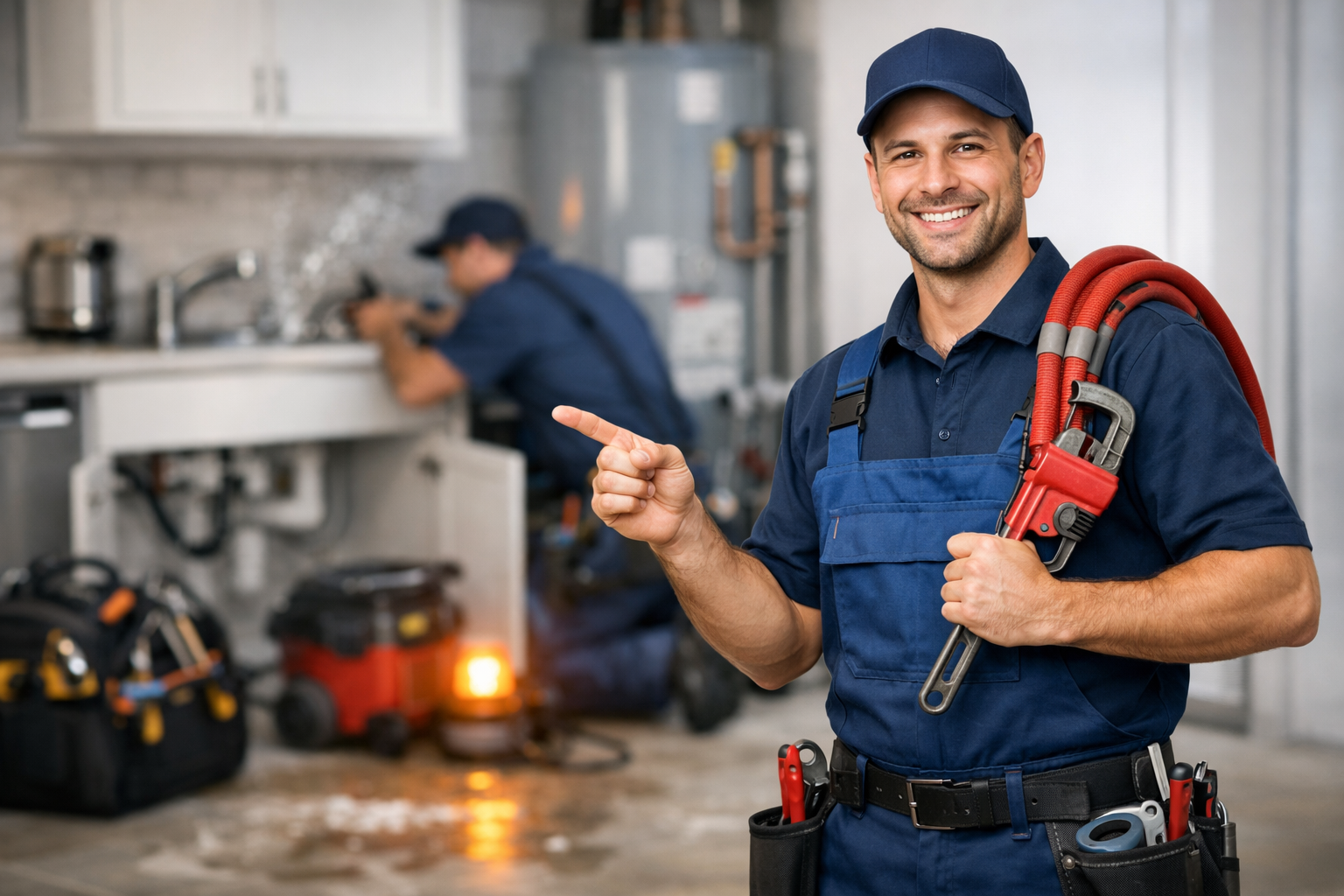
Water Heater Repair & Replacement Near Me | Fast, Reliable Service
No hot water, leaking tank, or inconsistent temperature? Learn when water heater repair makes sense, when replacement is the smarter option, and how professionals diagnose problems safely and efficiently.
Quick Takeaway: Hot Water Problems Rarely Fix Themselves
Water heater issues usually start small — slower recovery, lukewarm water, or minor leaks. Ignoring them often leads to full system failure, water damage, or unsafe pressure conditions.
- No hot water often points to heating element or gas control issues
- Leaks may signal tank corrosion or failing connections
- Older units are usually cheaper to replace than repeatedly repair
- Professional diagnosis prevents safety risks and repeat failures
What Water Heater Repair & Replacement Really Means
Water heater service is not just about restoring hot water. A proper repair or replacement involves diagnosing the cause, checking safety systems, addressing efficiency issues, and preventing future breakdowns.
Why water heaters fail
Most failures come from sediment buildup, worn heating elements, faulty thermostats, pressure problems, or internal tank corrosion. These issues worsen over time if ignored.
Common Signs Your Water Heater Is Failing
- No hot water or water turning cold too quickly
- Water leaks around the base or connections
- Rust-colored or cloudy water
- Unusual noises like popping or rumbling
- Inconsistent temperature during use
Leaks are a serious warning
Even small leaks can indicate internal corrosion or pressure problems. Left untreated, they can cause water damage or sudden tank failure.
No hot water doesn’t always mean replacement
In many cases, heating elements, thermostats, or gas components can be repaired without replacing the entire unit.
Water Heater Repair vs Replacement: How to Decide
Hidden cost of delaying replacement
Older heaters are less efficient and more likely to fail suddenly, leading to emergency plumbing calls and water damage.
Professional Water Heater Repair & Replacement Process
-
Inspection & Diagnosis
The plumber checks heating components, pressure valves, connections, and overall system condition.
-
Clear Repair or Replacement Options
You’ll receive straightforward options explaining cost, lifespan, and efficiency differences.
-
Safe Installation or Repair
Work is completed following plumbing and safety standards, including proper venting and pressure control.
-
Testing & Guidance
The system is tested for proper operation, and you’re advised on maintenance and efficiency tips.
Tank vs Tankless Water Heaters
Traditional Tank Heaters
Reliable and cost-effective, but limited hot water supply and higher energy use over time.
Tankless Water Heaters
On-demand hot water with better efficiency, ideal for long-term savings and space constraints.
Choosing the Right Fit
Household size, usage habits, and budget all affect which system works best.
Frequently Asked Questions
How long does a water heater last?
Most tank water heaters last 8–12 years. Tankless systems often last longer with proper maintenance.
Is a leaking water heater dangerous?
Yes. Leaks can indicate pressure or corrosion issues and should be inspected immediately.
Can I repair my water heater myself?
Water heaters involve electricity, gas, and pressure systems. Professional service is safer and prevents costly mistakes.
Need Water Heater Repair or Replacement Near You?
Whether your water heater needs a simple repair or full replacement, professional service helps restore hot water safely and efficiently.